Delve into the cellular and molecular mechanisms by which natural compounds interact with biological systems to support joint function and wellness.
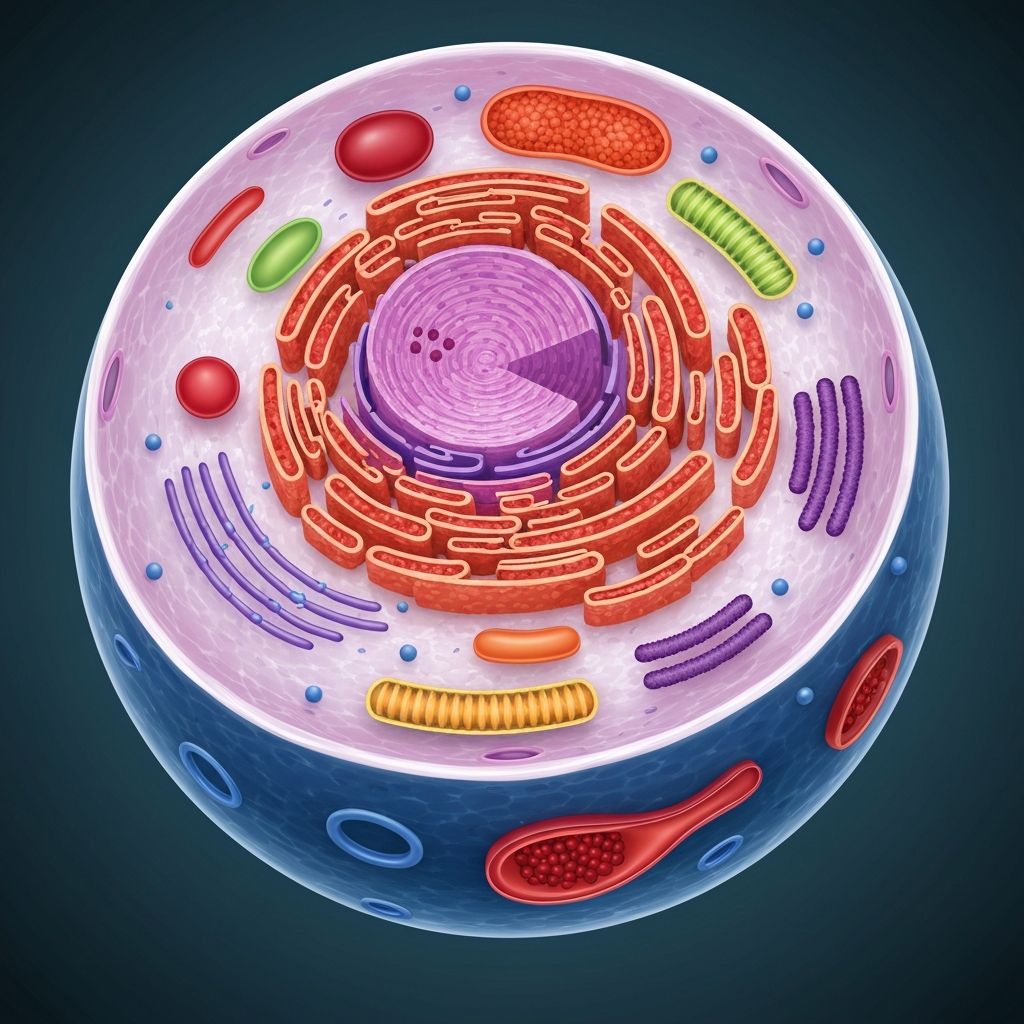
Natural compounds affect joint health through specific interactions with cellular and molecular systems. Understanding these mechanisms helps explain why certain substances have been traditionally used and what modern science has discovered about how they work.
At the most fundamental level, all health effects operate through specific cellular and molecular mechanisms. By understanding these mechanisms, we gain insight into both the effectiveness and the limitations of natural approaches.
Cartilage is primarily composed of collagen fibers embedded in a proteoglycan-rich matrix. Several natural compounds support the cellular processes that produce collagen, maintaining the structural integrity of cartilage.
Various natural compounds influence cellular signaling pathways that regulate inflammatory responses. At appropriate levels, these regulatory processes support tissue health without excessive inflammation.
Antioxidant compounds from natural sources help cells manage oxidative stress, protecting tissues from damage caused by free radicals and supporting cellular health.
Natural compounds often work through specific cell surface receptors and intracellular signaling pathways, triggering cellular responses that support tissue maintenance.
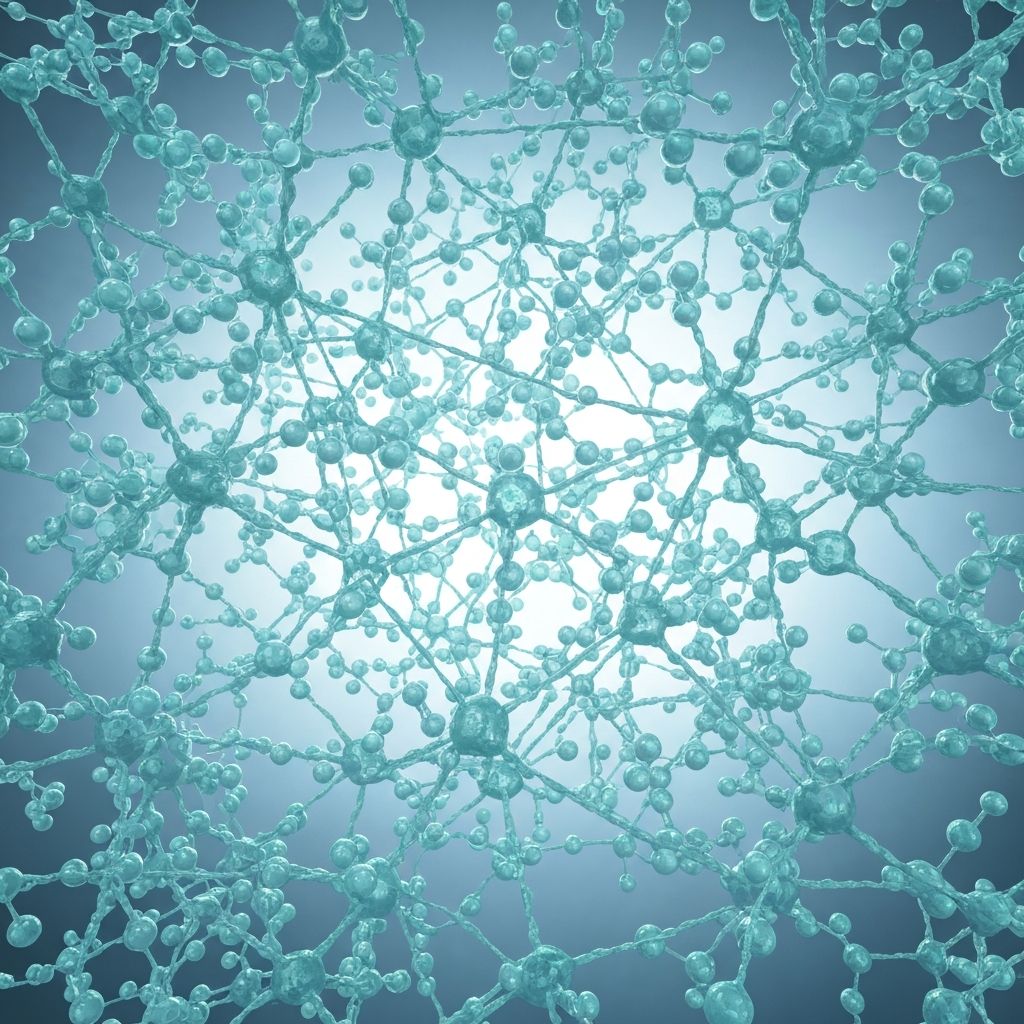
For natural compounds to produce effects, they must first be absorbed by the body and reach their target tissues. This process, called bioavailability, affects how effectively a compound produces its beneficial effects.
Various factors influence bioavailability:
Whole foods often provide superior bioavailability because they naturally contain compounds that enhance absorption of other nutrients.
Natural substances often work through multiple mechanisms simultaneously, rather than through a single pathway. This multiplicity of effects explains why many traditional uses have been validated by science.
For example, compounds may simultaneously support collagen synthesis, regulate inflammatory processes, provide antioxidant protection, and support cellular energy production. This multi-targeted approach often produces more robust effects than attempting to address a single mechanism in isolation.
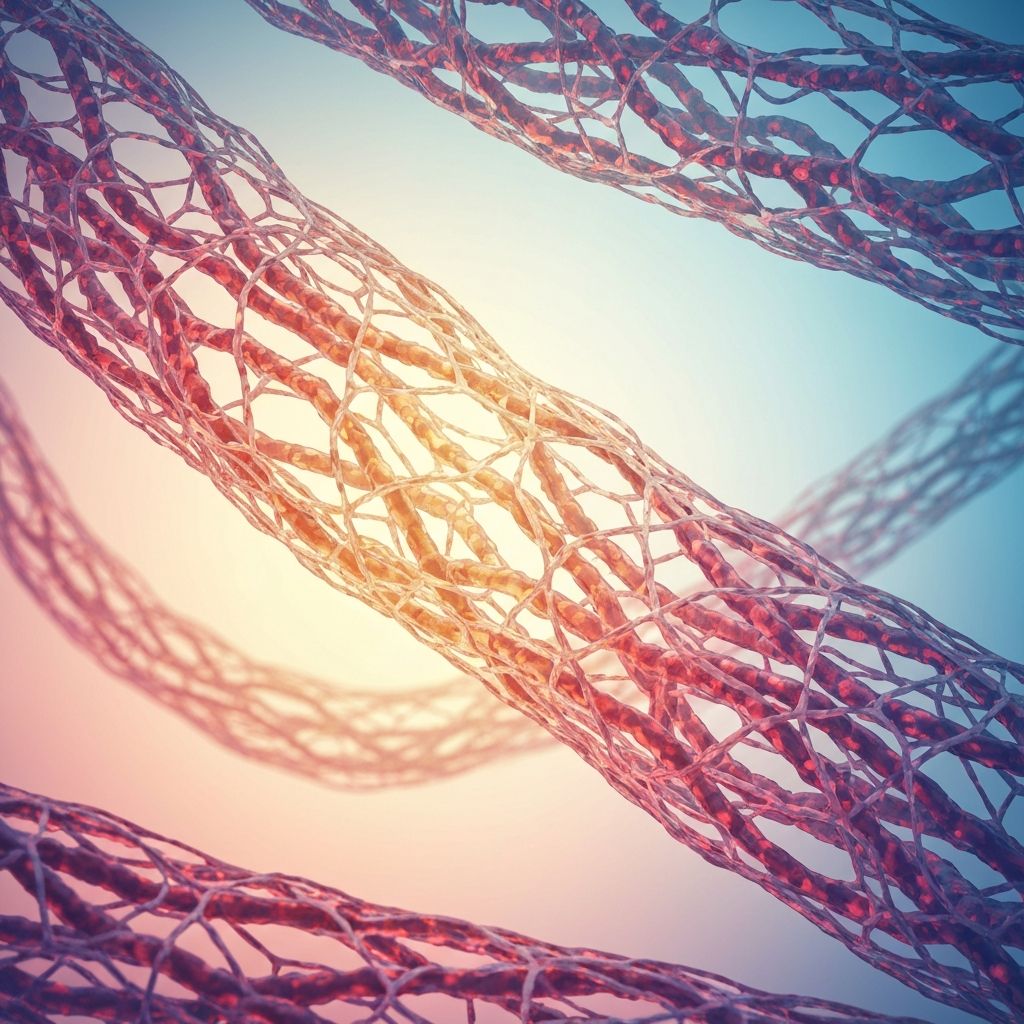
One advantage of comprehensive nutritional approaches is the potential for synergistic effects—where the combined effect of multiple compounds exceeds what each would produce individually.
This synergy explains why:
The effectiveness of natural approaches often depends on appropriate dosage and sustained consumption. Unlike some medications that produce rapid effects at high doses, many natural compounds work through gentler mechanisms that require consistent, moderate consumption over time.
This means:
This article provides educational information about cellular and molecular mechanisms related to natural compounds and joint health. It is not medical advice, treatment guidance, or recommendations for specific supplementation.
Scientific understanding continues to evolve. Consult with qualified healthcare providers for guidance on how these scientific principles apply to your individual situation.
 Viquora